Camden Council Rules for Bulky Waste and Cleaning Disposal
If you are sorting out old furniture, post-renovation mess, or a pile of cleaning waste that has quietly taken over a hallway, Camden Council rules for bulky waste and cleaning disposal can feel a bit more complicated than they should. Truth be told, most problems start with one simple question: what counts as bulky waste, what counts as cleaning disposal, and what can actually go in the bin?
This guide breaks it down in plain English. You will get a practical view of how bulky items are usually handled in Camden, what cleaning waste needs special care, how to avoid fines or fly-tipping issues, and when it makes more sense to book professional help such as house clearance or deep cleaning. No fluff. Just the useful bits, with a few real-world pointers so you can make the right call first time.
Why Camden Council rules for bulky waste and cleaning disposal Matters
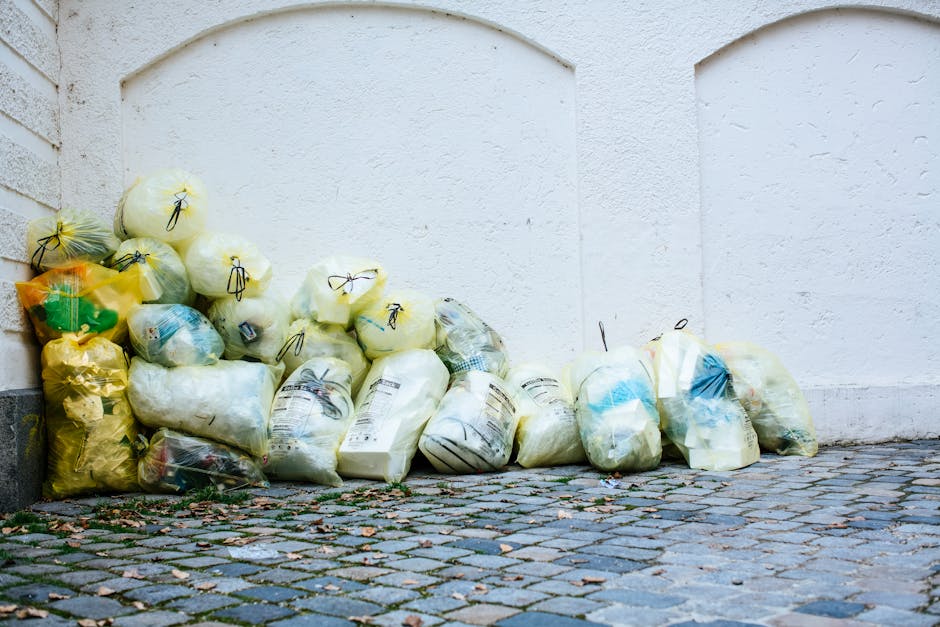
Waste rules do more than keep streets tidy. They shape how safely you clear a home, a flat, an office, or a communal area. In Camden, bulky items left out at the wrong time, dumped near bins, or mixed with the wrong kind of cleaning waste can create avoidable problems very quickly. A mattress leaning against a wall might look harmless for an hour or two; by the next morning, it can be a trip hazard, an eyesore, and a magnet for complaints. Nobody wants that.
The rules matter because bulky waste and cleaning disposal are not always the same thing. Bulky waste usually means large household items: wardrobes, sofas, beds, tables, white goods, or similar objects that are awkward to move and do not fit normal collections. Cleaning disposal is broader. It can include dirty water, disposable cloths, paper towels, packaging from cleaning products, empty bottles, worn mop heads, and debris created by cleaning or clearing a property. Some of those materials are simple to bag and bin, while others need careful handling.
There is also a neighbourly side to all of this. In a dense part of London, one person's tidy-up can easily become another person's blocked pavement, shared entrance, or overflowing bin store. If you have ever tried to carry a broken wardrobe down two narrow flights of stairs on a wet Tuesday evening, you will know why planning matters.
For landlords, letting agents, tenants at the end of a tenancy, and local businesses, getting the process right also protects your time. A missed collection or a badly prepared waste pile often leads to extra lifting, extra labour, and extra stress. Better to sort it cleanly at the start.
Expert summary: Camden waste rules are not just about compliance; they are about keeping walkways safe, preventing contamination, and making sure large items and cleaning waste are handled in a way that does not create a bigger job later.
How Camden Council rules for bulky waste and cleaning disposal Works
The exact collection process can change over time, so it is always sensible to check the latest local instructions before putting anything out. That said, the working logic is usually familiar across London boroughs, Camden included. You identify the waste type, separate reusable or recyclable items where possible, and arrange the correct collection or disposal route.
For bulky waste, the main question is whether the item is suitable for a council collection, a reuse route, a licensed private clearance, or a household recycling option. Sofas, wardrobes, desks, bed frames, and broken chairs are common examples. If an item is clean, reusable, or repairable, it may be better to pass it on rather than treat it as rubbish. If it is broken, heavily soiled, or contaminated, the disposal route becomes more specific.
For cleaning-related waste, the detail matters. Dirty paper towels and disposable wipes are usually treated differently from leftover chemicals, paint, solvents, or liquid cleaners. You should never pour cleaning chemicals into drains unless you are completely sure they are safe for that route. Strong products, bleach mixes, and solvents can be hazardous to people, pets, and the environment. To be fair, this is where many otherwise careful people slip up.
If a job is bigger than a normal household tidy-up, professional help can make the whole thing smoother. A one-off cleaning service can deal with the built-up grime, while end of tenancy cleaning is often paired with item removal and waste sorting. For heavily used homes, domestic cleaning or regular cleaning can reduce the amount of waste that builds up in the first place.
The key is to avoid mixing everything together. Once food waste, packaging, broken furniture, chemicals, and general cleaning waste are all thrown into one heap, disposal becomes slower, less safe, and sometimes more expensive. Separate it early and the job is much easier. Simple, but important.
Key Benefits and Practical Advantages
Following the right disposal route is not only about staying on the right side of the rules. It brings real, practical benefits that you feel straight away.
- Cleaner shared spaces: Items are removed before they attract complaints, pests, or obstruction.
- Lower risk of damage: Proper handling means fewer scratches on walls, lifts, hallways, and stairwells.
- Faster turnaround: A clear plan helps tenants move out, landlords re-let, and businesses reopen faster.
- Better sorting: Reusable items, recyclables, and residual waste are separated more effectively.
- Reduced contamination: Cleaning waste is kept away from food waste and hazardous materials.
- Less stress: You are not guessing at the kerb at 8 a.m. with half a sofa and a bag of mystery rags.
There is also a less obvious benefit: a good disposal process often improves the whole cleaning job. If bulky waste comes out first, cleaners can reach skirting boards, corners, floors, and behind appliances properly. That is particularly useful in properties that need deep cleaning, move-out cleaning, or move-in cleaning.
And yes, it also makes the property look more cared for. That matters when a letting agent walks through with a clipboard, or when a manager checks a communal lobby after refurbishment.
Who This Is For and When It Makes Sense
This guide is useful for a wide range of people, because bulky waste and cleaning disposal comes up in everyday life more often than you might expect.
Homeowners and tenants need it when replacing furniture, clearing a spare room, or dealing with post-cleanup clutter. A sofa, mattress, old carpet offcuts, and a stack of boxes can suddenly make a room unusable.
Landlords and letting agents need it at check-out, between tenancies, and after abandoned items are left behind. A property can look clean in the middle but still fail if the balcony, shed, or cupboard is full of forgotten waste.
Businesses and offices often need a plan after furniture changes, refurbishments, or a clear-out. Office chairs, desks, packaging, and cleaning residues can build up faster than expected. In those cases, office cleaning and commercial cleaning may need to sit alongside a proper clearance routine.
Residents in shared buildings should pay extra attention. Communal bin stores, stairwells, and front paths are sensitive spaces. A bulky item left there for too long can create friction with neighbours and managing agents very quickly.
Builders and renovators also need clear disposal rules. Packaging, dust, adhesive containers, plaster debris, and post-project residues do not belong in normal household bins. If your project has just finished, after builders cleaning is usually the point where waste sorting becomes visible in a very real way.
Step-by-Step Guidance
Here is the practical way to handle Camden Council rules for bulky waste and cleaning disposal without overcomplicating it.
- Sort the waste by type. Separate bulky furniture, general rubbish, recyclable materials, and any cleaning chemicals. Do not mix liquid products with paper waste or fabric waste if you can help it.
- Check what can be reused. A chair with loose legs may be repairable. A sturdy table may be worth passing on. If it is reusable, disposal may be the wrong first step.
- Bag or contain smaller waste. Loose debris, cloths, wipes, and dry cleaning residue should be boxed or bagged securely so it does not spread in transit.
- Handle chemicals carefully. Keep cleaning products in their original containers where possible. If labels have come off, that is a warning sign to treat the item cautiously.
- Choose the disposal route. Depending on the item, that may be a council collection, a licensed clearance service, a recycling route, or a reuse channel.
- Time the collection properly. Put items out only when you are ready, and only where permitted. Leaving waste out too early can create nuisance or attract complaints.
- Clean the area afterwards. Once bulky waste is gone, mop, vacuum, or wipe down the exposed space so dust and residue do not linger.
If the job is more than a few items, many people find it easier to combine clearance with a professional clean. For example, a mattress and sofa removal followed by sofa cleaning or mattress cleaning can leave the room genuinely usable again, not just technically empty.
One practical tip from real life: do a final walk-through before collection day. Open cupboard doors, check under sinks, look behind radiators, and glance at balcony corners. That is where the annoying extras tend to hide. Always.
Expert Tips for Better Results
A few small decisions make a big difference here. Not glamorous, but useful.
First, keep dry and wet waste apart. Wet cloths, mop heads, and liquid residues can contaminate cardboard or paper waste, making it less recyclable. Once that happens, the whole bag becomes harder to manage.
Second, flatten or dismantle where possible. A bed frame or wardrobe is much easier to move when broken into manageable parts. It also helps if you are dealing with narrow Camden stairwells, which, let's face it, were not designed for modern flat-pack furniture.
Third, protect shared surfaces. Use gloves, old blankets, or cardboard under heavy items while moving them through a property. Small detail, big payoff. Scraped paint on a hallway wall is the sort of thing everyone remembers.
Fourth, choose the right clean for the right mess. A steam carpet cleaning job is different from simple stain removal, and upholstery cleaning is different again from throwing away a dirty item. Knowing the difference saves waste and money.
Fifth, think about sustainability. If an item can be reused, donated, or repaired, that is often the better route. For homes and businesses that want to reduce waste more consistently, recycling and sustainability habits are worth building into the routine rather than treating as an afterthought.
Last one: if you are unsure whether something is normal waste or hazardous waste, pause. A cautious pause is better than a messy mistake. No one gets a medal for guessing.
Common Mistakes to Avoid
Most disposal issues happen for very ordinary reasons. Nothing dramatic. Just small oversights that snowball.
- Leaving bulky waste out too early. It can block paths, upset neighbours, and create a safety issue before collection.
- Mixing cleaning chemicals with general rubbish. Some products need separate handling, especially if they are strong, flammable, or corrosive.
- Assuming everything can go in a black bag. A lot of cleaning waste is fine in a normal bag, but furniture, glass, and certain liquids are not.
- Forgetting hidden waste. Under-bed clutter, cupboard waste, and balcony rubbish are easy to miss.
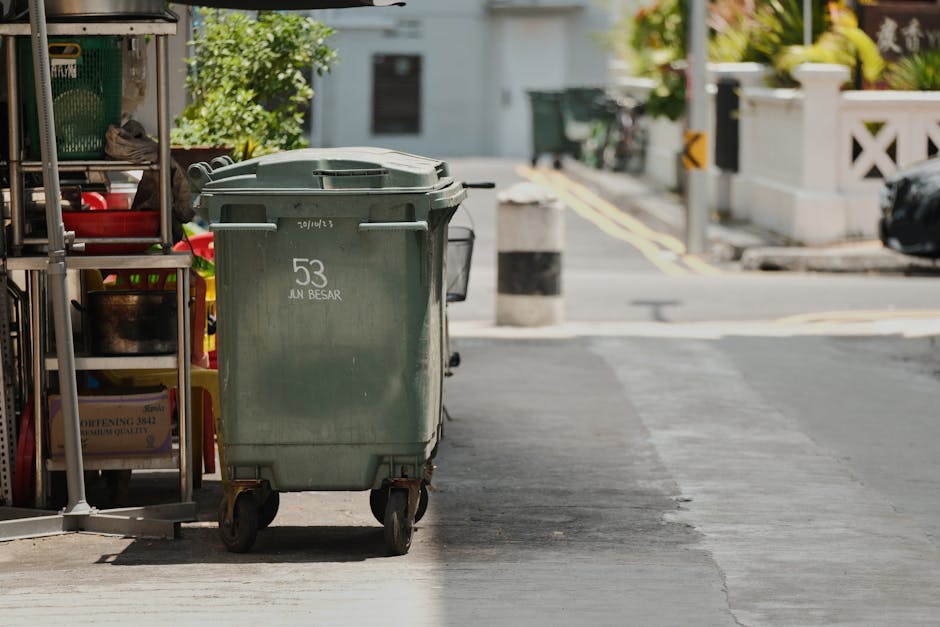
- Overfilling bins. If the lid cannot close, it is usually a sign the waste should have been sorted differently.
- Using unlicensed clearers. Cheap can be very expensive later if waste is fly-tipped and traced back to you.
A common one we see is the "just dump it all together and sort later" approach. That sounds efficient at 7 p.m. when you are tired, but by 8 a.m. the next day it usually looks like a mini disaster. Better to spend ten extra minutes sorting now than deal with a complaint later.
Tools, Resources and Recommendations
You do not need a van full of equipment to manage waste properly, but a few simple tools make the job easier.
- Heavy-duty bin bags for dry cleaning waste and smaller residual rubbish.
- Cardboard boxes or lidded tubs for loose items, labels, and packaging.
- Gloves to handle broken items, grimy surfaces, and anything that might be sharp.
- Tape and marker pens to label items that are reusable, recyclable, or for disposal.
- Furniture sliders or straps for safer movement of bulky items inside the property.
- Cleaning cloths and disinfectant for the final wipe-down after removal.
For larger clear-outs, a structured service may be more efficient than trying to handle everything yourself. A house clearance is useful where rooms have accumulated a mixed lot of furniture, storage items, and cleaning residue. If the property needs a fresh reset, pair that with house cleaning or a targeted one-off cleaning visit.
For ongoing maintenance in flats, communal corridors, or office buildings, communal area cleaning and hard floor cleaning can help keep the space from drifting into that slightly neglected look that everyone notices but nobody wants to mention first.
Law, Compliance, Standards, or Best Practice
It is worth being careful here. Waste handling in the UK sits within a wider legal and environmental framework, and councils usually apply local collection rules on top of that. For readers, the safest approach is to treat all waste responsibly, avoid illegal dumping, and follow the specific Camden instructions for collection, storage, and presentation of waste.
Best practice usually means:
- keeping waste in the right container until collection
- separating recyclable and non-recyclable materials
- storing chemicals securely and out of reach of children and pets
- not leaving bulky items in shared areas unless permitted
- using a reputable, properly managed clearance method when the load is large
For cleaning businesses, there is also a professional duty of care around safe handling, COSHH-aware product use, and sensible disposal procedures. In practical terms, that means staff should know how to use products safely, what not to mix, and how to dispose of contaminated cloths or packaging without creating a risk. A good health and safety policy is not just paperwork; it shows that safe working habits are built into the service.
If you are booking help, it is wise to check things like insurance and safety, payment clarity, and service terms so you understand exactly what is included. That sort of detail saves awkward conversations later.
Options, Methods, or Comparison Table
There is no single best disposal method for every situation. It depends on the item, the amount of waste, and how quickly it needs to go.
| Option | Best for | Strengths | Watch out for |
|---|---|---|---|
| Council bulky waste collection | Individual large household items | Simple and local | May need advance booking and item preparation |
| Private house clearance | Multiple items or full-property clear-outs | Handles mixed loads and saves time | Choose a trustworthy provider and confirm what is included |
| Reuse or donation route | Usable furniture and equipment | Reduces waste and supports sustainability | Only works if items are genuinely clean and functional |
| Professional cleaning plus disposal | Move-outs, renovations, neglected rooms | Restores the space properly | Needs planning so disposal and cleaning happen in the right order |
For a typical flat clear-out, the most efficient route is often a mix: remove bulky items first, clear the debris, then finish with end of tenancy cleaning or move-out cleaning. For offices or business premises, combine item removal with commercial cleaning so the space is genuinely ready for use again.
Case Study or Real-World Example
Here is a realistic example from the kind of job people face all the time in Camden.
A two-bedroom flat needs to be handed back at the end of a tenancy. There is an old sofa in the lounge, a broken chest of drawers in the second bedroom, three bags of cleaning waste, and a kitchen cupboard full of half-used products. The tenants assume they can leave the lot by the communal bins and "sort it out later." That approach would likely create issues: the communal area is tight, neighbours would see it immediately, and a few of the cleaning products are not ideal for standard rubbish.
Instead, the waste is split into groups. The furniture is listed for removal, the dry cleaning waste is bagged, the liquids are checked carefully, and the empty packaging is flattened. Once the bulky items are gone, the rooms are easier to clean properly. A final pass with oven cleaning, window cleaning, and targeted stain work leaves the flat in a much better state for inspection.
The result? Less stress, fewer missed spots, and no awkward last-minute scramble with a mattress stuck in the hallway. It sounds simple because, really, it is. The hard part is just doing the simple steps in the right order.
Practical Checklist
Use this checklist before you arrange bulky waste removal or cleaning disposal in Camden.
- Have I separated bulky items from general waste?
- Have I checked whether any item can be reused or donated?
- Are cleaning chemicals still in labelled containers?
- Have I kept liquids away from absorbent waste like cloths and paper?
- Are all bags sealed and manageable to lift safely?
- Have I checked the property for hidden clutter in cupboards, lofts, or under furniture?
- Is the collection timing suitable for the building and neighbours?
- Do I need professional help for lifting, clearance, or final cleaning?
- Have I protected shared floors, walls, and entrances while moving items?
- Is the disposal route appropriate for the type of waste I have?
If you can tick most of those off, you are already ahead of the game. If not, no panic. Start with sorting, because sorting fixes a surprising amount.
Conclusion
Camden Council rules for bulky waste and cleaning disposal are really about common sense put into practice: keep items separated, handle chemicals carefully, avoid blocking shared spaces, and choose the right route for the waste in front of you. Once you understand that basic framework, the whole process becomes far less annoying.
Whether you are clearing a flat after a move, dealing with renovation debris, or trying to get a messy property back into shape, the smartest approach is usually the calm one. Sort first, lift safely, clean after, and use professional help where it saves time or reduces risk. That is the rhythm that works.
Get a free quote today and see how much you can save.
And if you are standing in the middle of a room wondering where to begin, begin with one bag, one box, one item. That is often enough to get the momentum going. Funny how that works, isn't it?
Frequently Asked Questions
What counts as bulky waste in Camden?
Bulky waste usually means large household items that do not fit in a normal bin collection, such as sofas, beds, tables, wardrobes, and similar furniture. If it takes two people to carry it comfortably, it is probably bulky enough to need special handling.
Can I put cleaning waste in the normal bin?
Some cleaning waste can go in a normal bin, especially dry items like paper towels, cloths, or light packaging. But cleaning chemicals, liquids, and contaminated materials need more care. If you are unsure, separate them first rather than guessing.
Are old cleaning products considered hazardous?
Some are, some are not. Strong bleach, solvents, and certain chemical cleaners may need careful storage and disposal. The safest move is to keep them in their original containers and avoid mixing anything together.
Do I need a professional house clearance for a few large items?
Not always. For one or two items, a council collection or reuse route may be enough. But if the items are heavy, awkward, or part of a bigger tidy-up, a house clearance can be much more practical.
What should I do before an end-of-tenancy clean?
Remove bulky waste first if possible, then sort the remaining clutter, then clean the property thoroughly. That order gives you access to the floors, corners, and storage spaces that often get missed when furniture is still in place.
Can cleaners take away rubbish as part of the job?
Sometimes, but it depends on the service and the type of waste. Many cleaning jobs focus on the cleaning itself, while waste disposal may need to be arranged separately. Always confirm the scope before booking.
Is it better to reuse furniture instead of disposing of it?
Yes, if the item is safe, functional, and clean enough to pass on. Reuse cuts waste and can save money too. A slightly worn table may still have a second life somewhere else.
How do I avoid problems with shared hallways or bin stores?
Keep bulky items inside your property until collection day unless the rules clearly allow otherwise. Use the shortest safe route, protect surfaces, and avoid leaving anything in shared space for long periods.
What if my property has both cleaning waste and building debris?
Separate the materials if you can. Cleaning waste, packaging, dust, and building debris often follow different disposal routes. If it is a bigger post-project mess, after builders cleaning is usually the most sensible next step.
Does professional cleaning help with disposal planning?
Yes, because a cleaner property is easier to sort, inspect, and clear properly. Services such as deep cleaning or one-off cleaning often work best when the waste has already been separated.
What is the biggest mistake people make?
Mixing everything together and hoping it will be fine later. That usually creates more labour, more mess, and more stress. A little sorting at the start saves a lot of pain at the end.
How do I know whether I need a council route or a private clearance service?
If you have a small number of standard bulky items, a council route may be enough. If the load is large, mixed, time-sensitive, or awkward to move, a private clearance service can be the more realistic option. The right choice usually comes down to volume, access, and how quickly you need the space back.